Acrylic vs. Metal Signs: Which Is Best?
Selecting the right signage material comes down to environmental exposure, durability and brand aesthetics — especially under Qatar's high-temperature climate. Acrylic and metal are the two dominant choices, and they fail in completely different ways when specified wrongly.
Acrylic: where it wins
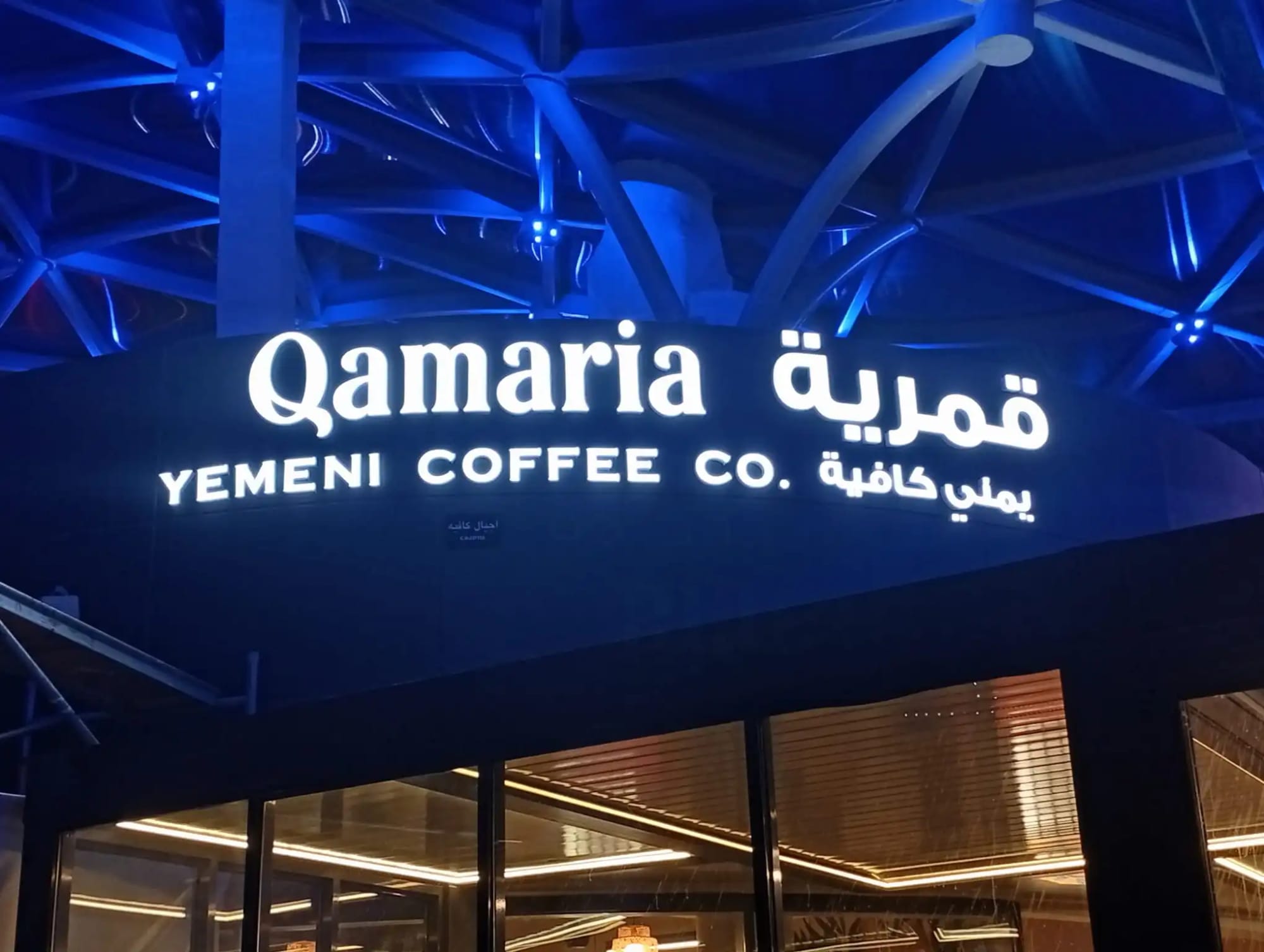
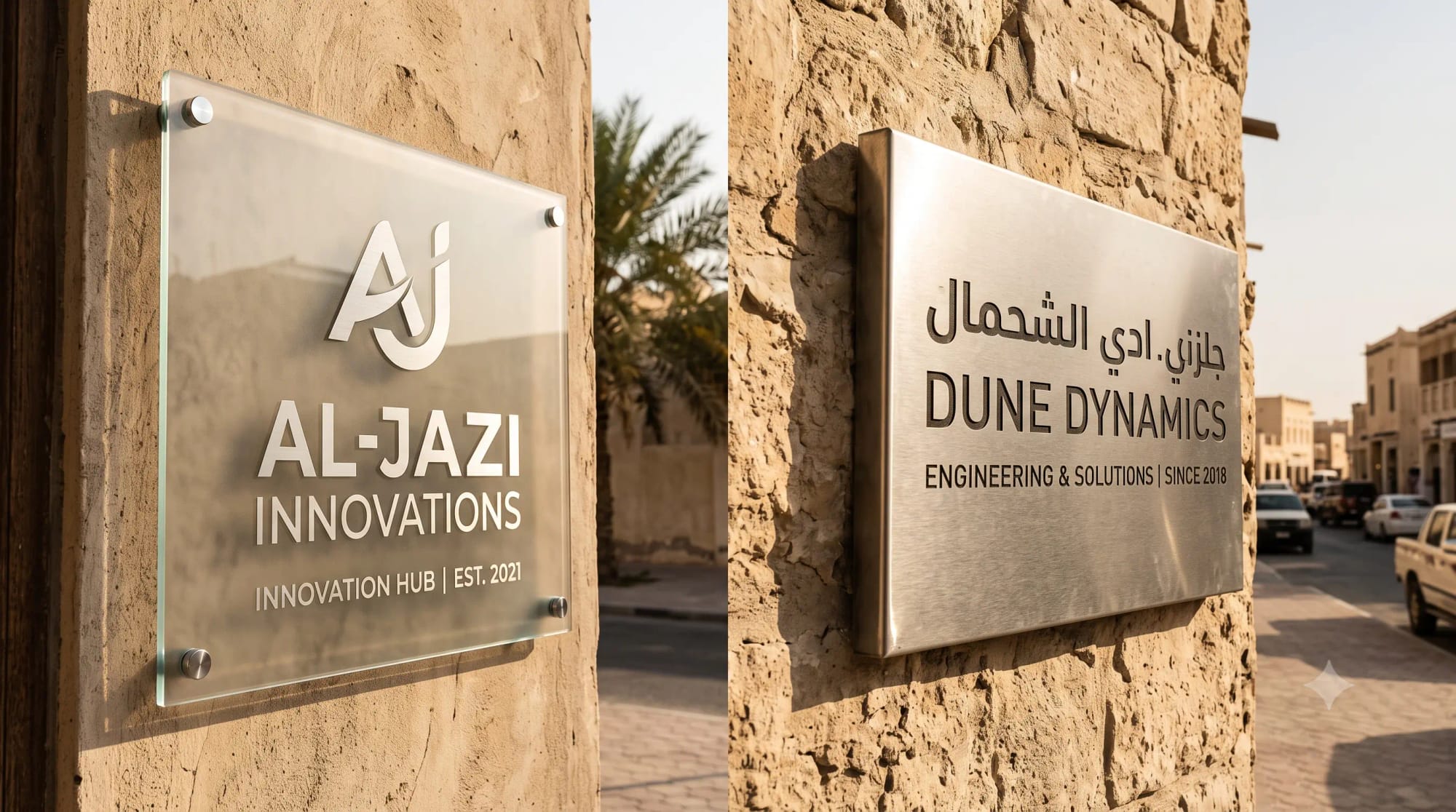
Acrylic offers a sleek, glass-like finish at a fraction of the weight of metal. It is optimal for indoor lobby displays, illuminated light boxes and executive office branding, and it is the only practical choice for face-lit letters because light passes through it evenly.
It is also considerably cheaper to fabricate into complex shapes. Laser cutting acrylic is fast and leaves a polished edge straight off the machine, so intricate logos and fine lettering are economical in a way they are not in metal.
The critical distinction is cast versus extruded. Cast acrylic resists UV yellowing and thermal distortion far better and is what should be specified for anything exposed to Qatari sun. Extruded is cheaper and acceptable indoors. A budget exterior sign that yellows and bows within two summers is almost always extruded sheet.
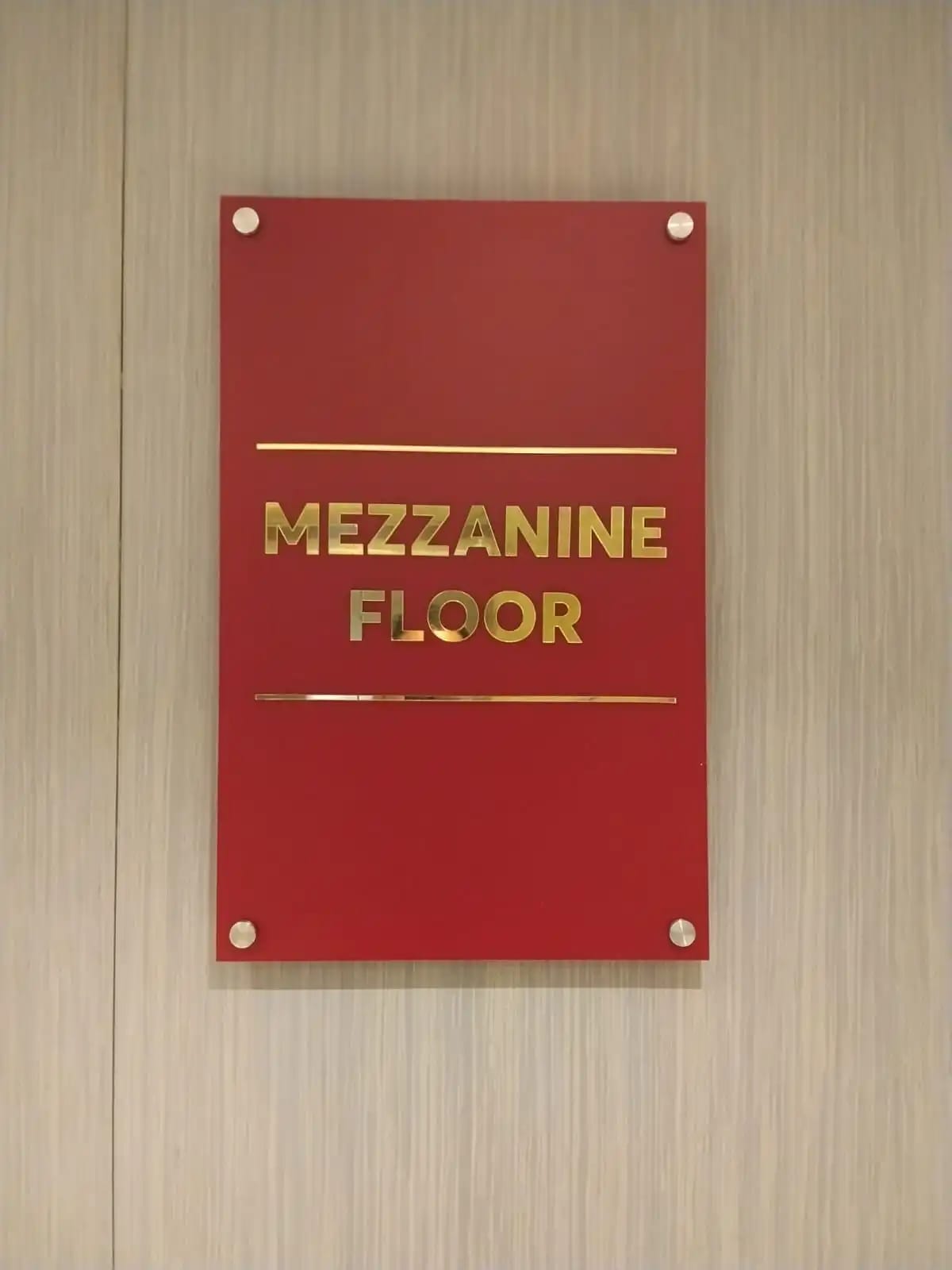
Browse our Indoor Decor and Displays to enhance your corporate reception area.
Metal: where it wins
Metal signs — typically aluminium, stainless steel or brass — provide superior weather resistance and structural strength. Material testing standards overseen by the Qatar General Organization for Standardization (QS) recognise aluminium's non-corrosive properties under severe heat and dust.
Metal is the correct answer for large-format exterior signage, structural and free-standing signs, and anywhere physical durability matters. It also holds fine engraved detail permanently, which is why plaques and asset plates are metal rather than plastic.
Grade matters near the coast. Marine-grade 316 stainless resists salt-laden air; 304 will show tea-staining within a year or two at The Pearl or along the Corniche. The price difference is small compared with refabricating.
Cost over the full life, not at purchase
Acrylic is cheaper to buy and cheaper to shape. Metal costs more up front and lasts longer outdoors. The honest comparison is cost per year of service, not cost on the invoice.
For an interior reception logo, acrylic will look correct for a decade and metal is arguably over-specified. For an exterior fascia in full sun, acrylic that needs replacing twice costs more than metal that does not.
The hybrid most people actually want
In practice, a great deal of premium signage combines both: an aluminium or stainless return forming the body of the letter, with an acrylic face for illumination. You get metal's structural durability and acrylic's light transmission in a single component. Most high-end channel lettering in Doha is built exactly this way.
Quick specification guide
Interior, non-illuminated: acrylic, or brushed stainless for a more formal register.
Interior, illuminated: acrylic face, aluminium return.
Exterior, non-illuminated: powder-coated aluminium or stainless steel.
Exterior, illuminated: aluminium return with cast acrylic face, IP-rated LED and driver.
Coastal exposure: 316 stainless fixings throughout, regardless of the face material.
While acrylic delivers high-end interior visual elegance, heavy-duty metal wins on long-term exterior durability. We fabricate both in-house in Doha and will tell you honestly when the cheaper option is the right one.
Frequently asked questions
Is acrylic or metal better for outdoor signs in Qatar?
Metal for structural exterior work, because it resists heat, dust and UV without distorting. If acrylic is used outdoors it must be cast rather than extruded, and is best combined with an aluminium return as a channel letter.
What is the difference between cast and extruded acrylic?
Cast acrylic resists UV yellowing and thermal distortion much better and should be specified for any sun exposure. Extruded is cheaper and fine indoors. Budget exterior signs that yellow and bow within two summers are usually extruded.
Which metal should I use for signage near the coast?
Marine-grade 316 stainless steel. Grade 304 will show tea-staining and corrosion within a year or two in salt-laden air at locations like The Pearl or along the Corniche.