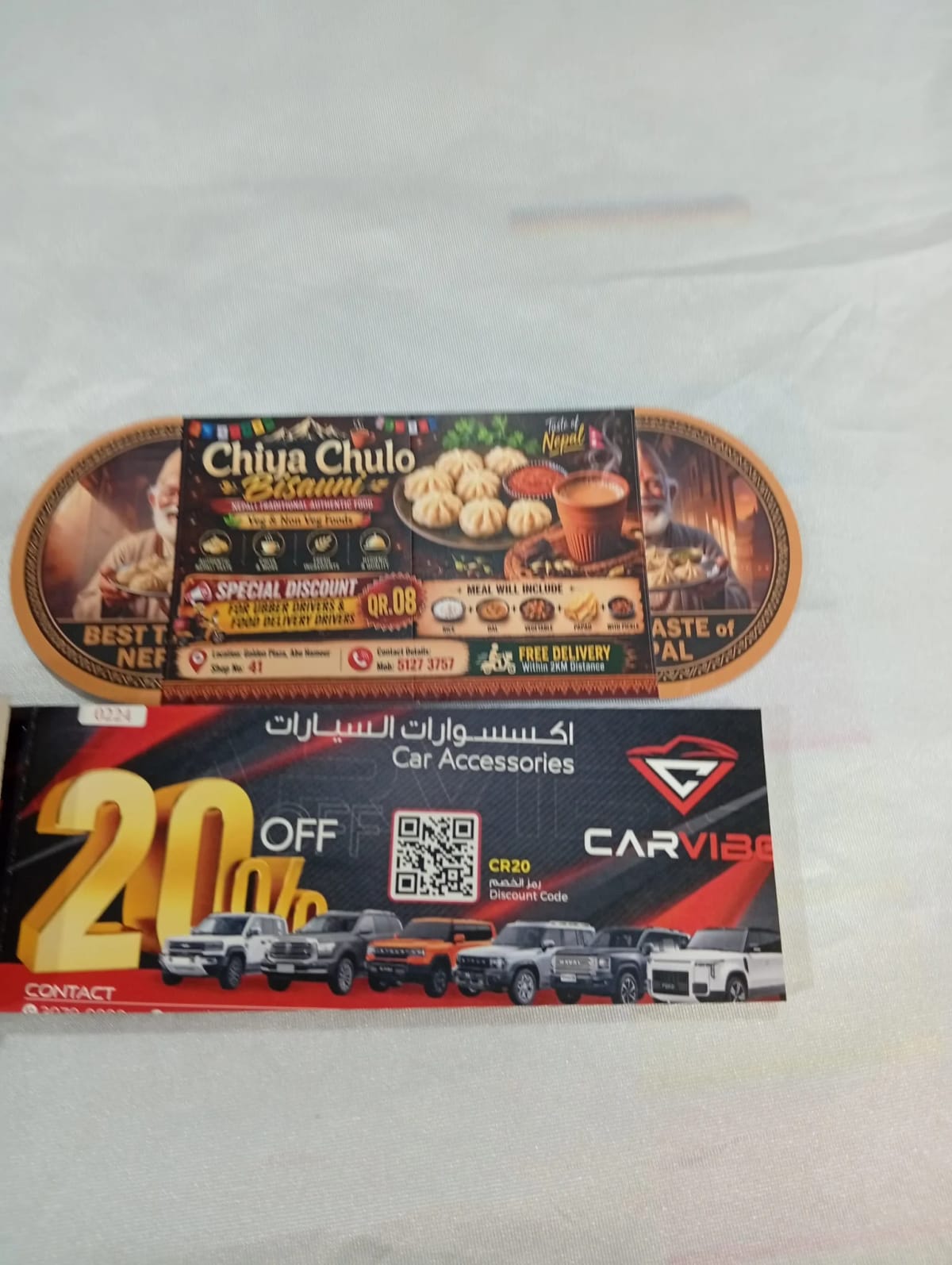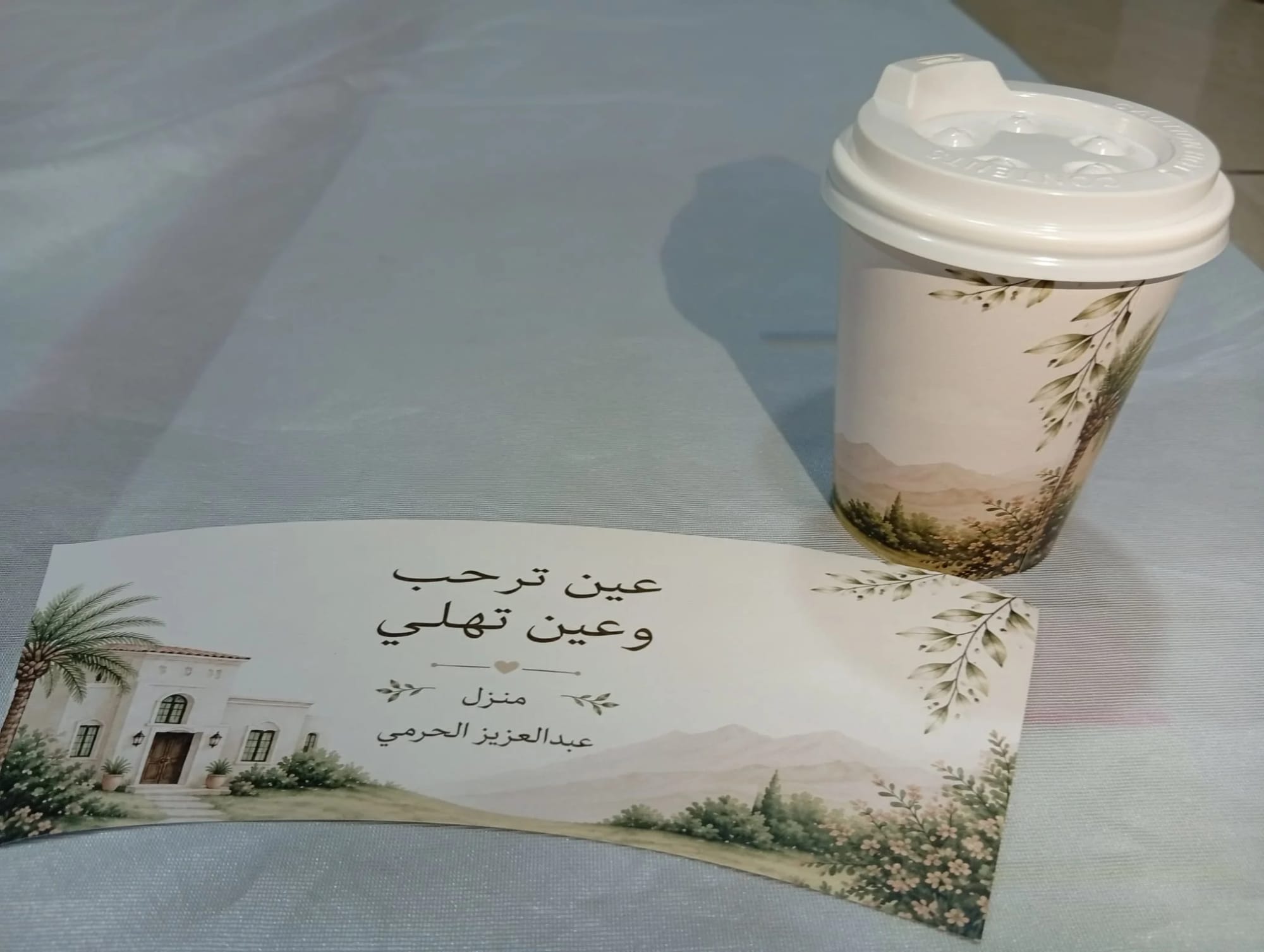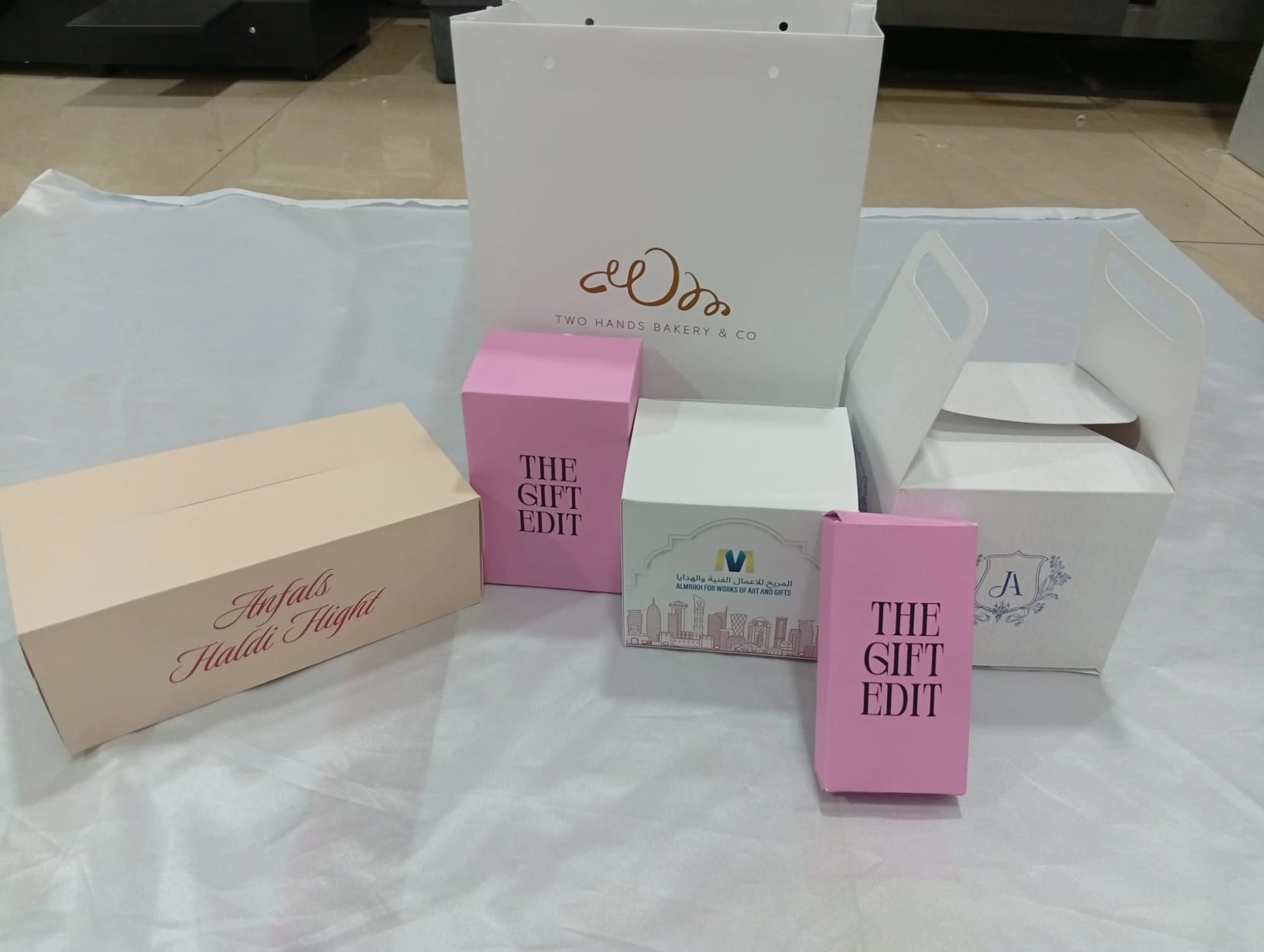
Custom Stationeries, Business Cards & Invitations in Qatar
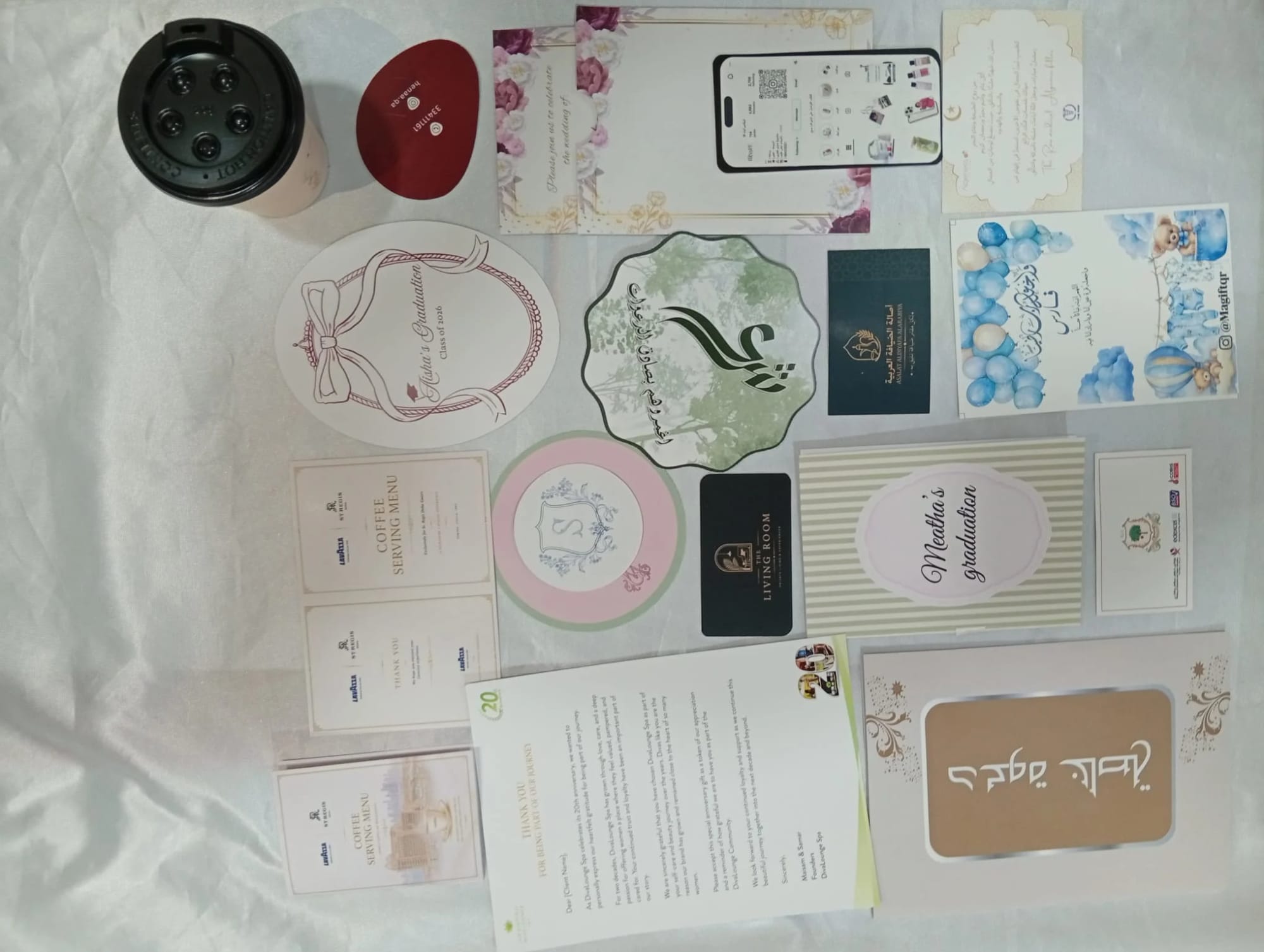
Consistency across touchpoints is what separates a brand that looks established from one that looks improvised. Coordinated stationery — business cards, thank-you notes, coffee-serving menus, event invitations and compliment slips — ensures every interaction reflects the same level of professionalism.
What a full stationery set includes
Most Doha businesses order in this order of priority: business cards first, then letterheads and envelopes, then event and hospitality pieces. A complete corporate set typically covers business cards, A4 letterheads, DL envelopes, compliment slips, presentation folders, notepads and, for hospitality clients, table menus and thank-you cards.
Ordering these together rather than piecemeal matters more than people expect. Card stock, ink coverage and trim vary between production runs, so a business card printed in March and a letterhead printed in September from different suppliers rarely match. Producing the full set in one run locks the colour and finish.
Choosing stock and finish
Business cards are usually 350gsm as a minimum. Below that they feel flimsy in the hand, which undermines the impression they exist to create. Matt lamination resists fingerprints; gloss lifts colour saturation; soft-touch lamination has a velvet feel that reads as premium and is popular with Doha hospitality and consultancy clients.
Letterheads sit at 100–120gsm so they feed cleanly through office printers. Anything heavier jams. If your letterhead is going to be overprinted in-house, avoid full-bleed dark backgrounds — toner does not sit well over heavy offset ink.
Special finishes — hot foil stamping, blind or registered embossing, spot UV and edge painting — are worth reserving for the pieces a client actually keeps. Foil on a business card is money well spent; foil on an internal memo pad is not.
Bilingual stationery in Qatar
Most corporate stationery in Doha is bilingual. Arabic and English need genuine visual parity rather than the Arabic being shrunk into a subtitle, and Arabic generally needs to be set slightly larger than the Latin text to appear balanced at the same reading distance.
The recurring failure is broken Arabic letter joining, which happens when artwork is prepared in software without complex-script support. Always have a native reader check the final proof before the run. On a print job of five thousand cards, a typesetting error is five thousand mistakes.
Quantities and lead time
Digital printing is economical up to roughly 500 pieces and offers fast turnaround. Beyond that, offset becomes cheaper per unit and delivers better consistency on large flat colour areas. Allow three to five working days for standard digital work and seven to ten for offset with finishing.
For event stationery, work backwards from the event date and add a week of buffer. Invitations that arrive after the RSVP deadline are worthless regardless of how well they are printed.
We produce corporate stationery, business cards, invitations and hospitality print in-house in Doha, with Arabic typeset by people who read it.
Frequently asked questions
What paper weight should business cards be?
350gsm is the practical minimum for a business card that feels substantial. Lighter stock feels flimsy and undermines the impression the card exists to create. Add matt, gloss or soft-touch lamination depending on the finish you want.
Can you print bilingual Arabic and English stationery?
Yes, and we typeset the Arabic properly rather than machine-generating it. Arabic usually needs to be set slightly larger than the Latin text to look visually balanced, and every proof is checked by a native reader before printing.
How long does business card printing take in Doha?
Three to five working days for standard digital printing. Offset runs with special finishes such as foil or embossing take seven to ten working days.